
Introduction
The Nigeria real estate market is one of the most dynamic in Africa, offering high-growth opportunities for investors, developers, and homeowners. With rapid urbanization, a rising middle class, and government-backed reforms, the sector continues to expand despite economic and infrastructure challenges.

Urbanization Driving Property Demand
Lagos as a Growth Engine
Lagos, Nigeria’s commercial hub, is one of the fastest-growing megacities in the world. With over 20 million residents and an annual influx of nearly 600,000 newcomers, the demand for housing, commercial spaces, and infrastructure is unmatched.
Housing Deficit as an Opportunity
Nigeria faces a housing deficit of over 20 million units, highlighting a massive gap between demand and supply. For developers and investors, this gap represents a long-term opportunity across residential, commercial, and mixed-use projects.
The Middle Class Reshaping the Market
Lifestyle-Oriented Housing
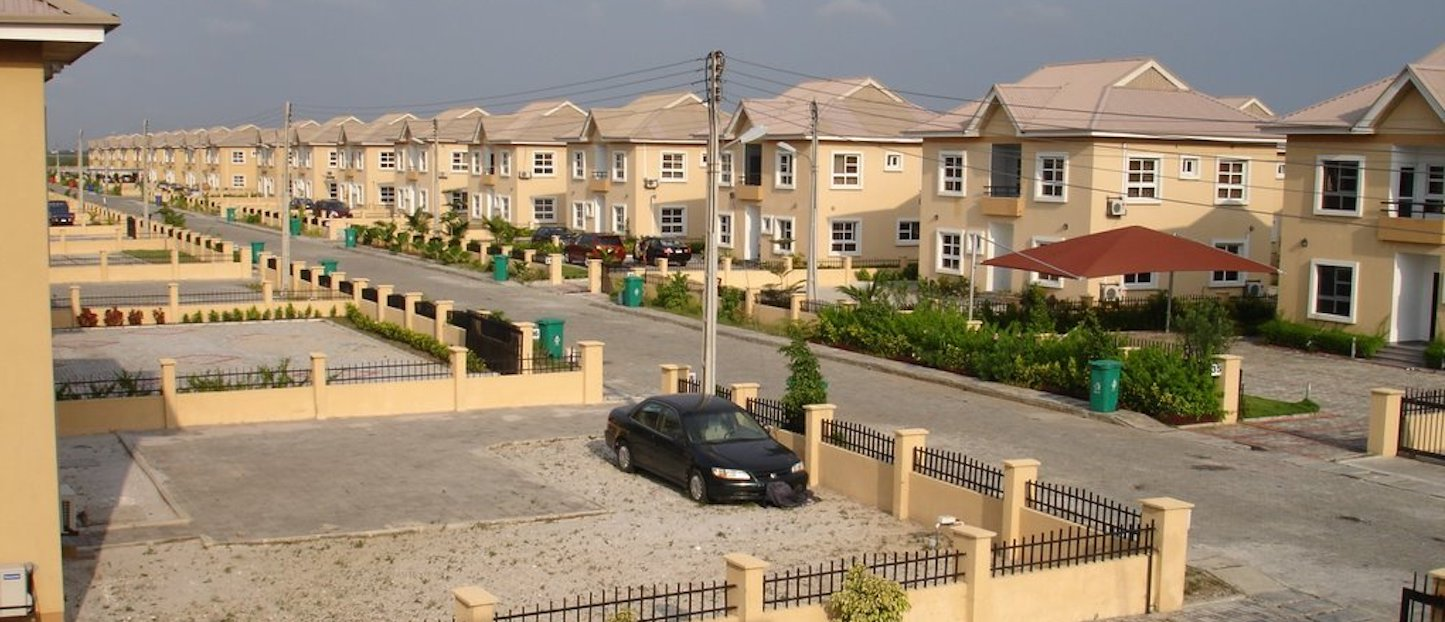
The growing middle class is redefining the Nigeria real estate market. Increasing disposable income has fueled demand for gated estates, smart apartments, and lifestyle-driven housing that emphasizes security and convenience.
Commercial and Retail Expansion in the Nigeria real estate market
Beyond housing, the rise in middle-income earners supports the growth of shopping malls, office spaces, and co-working hubs. Businesses are actively seeking modern real estate solutions in urban centers.
Government Reforms Supporting Investors
Improved Transparency and Regulation
Government efforts, such as the establishment of the Lagos State Real Estate Regulatory Authority (LASRERA), are bringing accountability to the sector. Investors now benefit from better property registration systems and land titling processes.
Mortgage Accessibility in the Nigeria Real Estate Market
Although still developing, Nigeria’s mortgage industry is expanding, making property ownership more accessible and improving long-term sector stability.
Key Opportunities in the Nigeria Real Estate Market
- Affordable Housing Development – Addressing the low- and mid-income housing shortage.
- Commercial Real Estate – Demand for office spaces, logistics hubs, and retail outlets.
- Hospitality & Tourism Properties – Short-term rentals and hotels in Lagos and Abuja are on the rise.
- Industrial & Warehousing – Nigeria’s role as West Africa’s trade hub fuels demand for logistics facilities.
Conclusion: The Future of the Nigeria Real Estate Market
Despite regulatory bottlenecks and infrastructure challenges, the Nigeria real estate market continues to attract significant investment interest. Population growth, urbanization, and lifestyle changes ensure sustained demand for residential, commercial, and industrial properties.
For investors ready to explore the sector, partnering with experienced consultants is essential. At Ben Mbonu Consulting, we provide tailored market insights, risk analysis, and strategic support to help clients succeed in Nigeria’s evolving property landscape.
Contact us today if you are interested in finding success in Nigeria’s real estate market. We’re ready to get you going!